The Starting Point
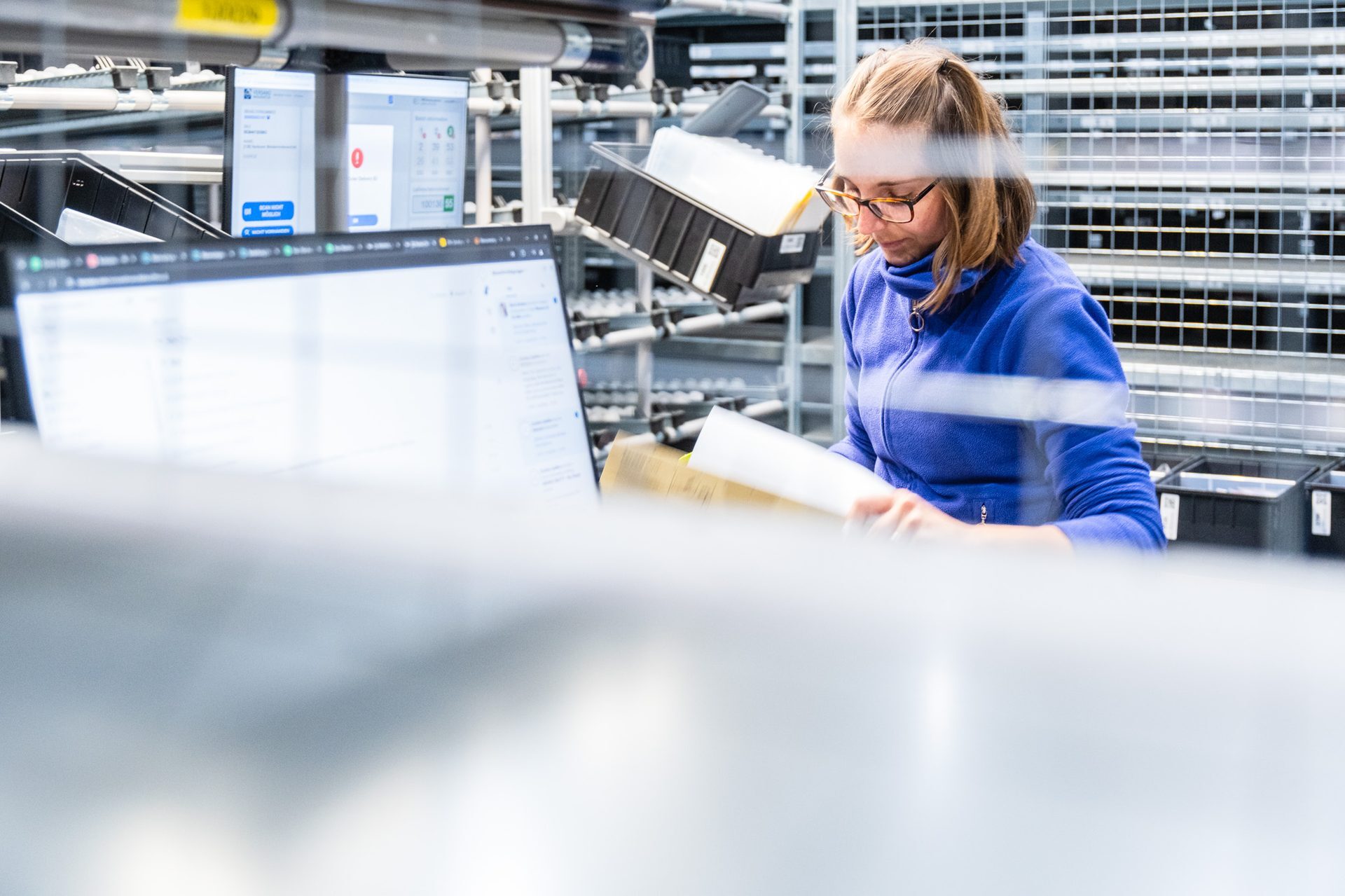
Conrad Electronic operates classic shelf-racking warehouses where employees pick orders manually. Pickers walk through the aisles, locate items, retrieve them, and carry them to the packing station. This person-to-goods approach has been the industry standard for decades - and is increasingly reaching its limits.
Alongside the shelf-racking warehouses, Conrad also operates a large shuttle system for particularly high-velocity SKUs. The warehousing strategy is therefore not “either shelf racking or automation,” but a deliberate mix of both worlds - classic automation where it pays off, and shelf racking for the bulk of the assortment.
The challenge was concrete: rising order volumes, growing pressure on throughput times, and an increasingly difficult labor market made purely manual picking in the shelf-racking area unsustainable in the long run. At the same time, a complete warehouse rebuild or switching to an automated storage and retrieval system (AS/RS) for that area would have required millions in investment and lead times of 12 to 36 months.
Conrad needed a solution that works inside the existing warehouse - without replacing the racking, without interrupting ongoing operations, and without launching a multi-year capital project.
Why Conrad Electronic Chose NEO
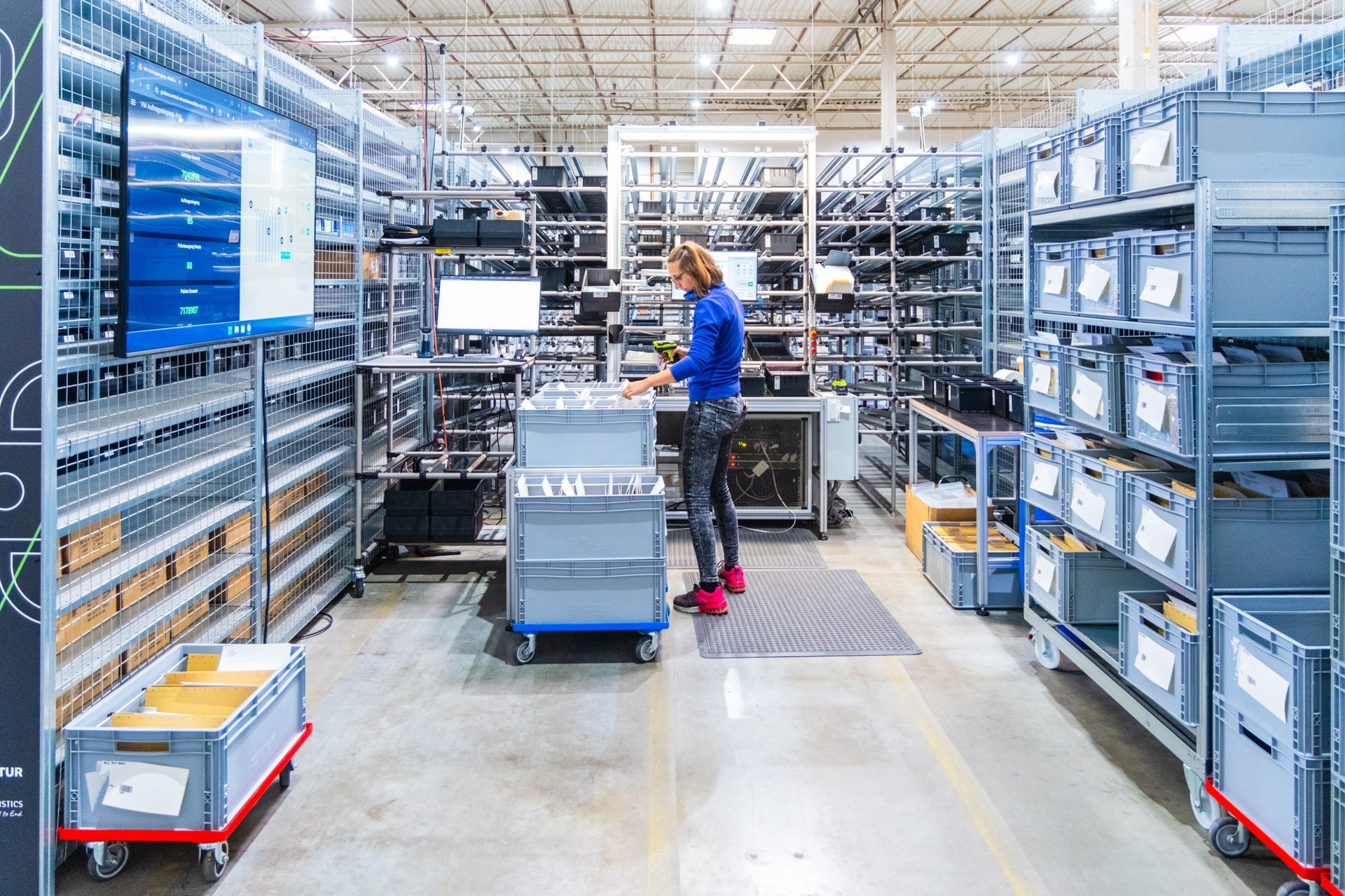
The warehouse automation market offers numerous systems - from shuttle installations and cube-based AS/RS systems to traditional mini-load systems. But all of these solutions require the existing racking infrastructure to be removed. For a company with functioning shelf-racking warehouses, that means demolition, new construction, and relocation.
NEO was the only solution capable of enabling goods-to-person automation directly within the existing shelf racking. Autonomous mobile robots (AMR) navigate through the existing aisles, retrieve bins, and transport them to the picking station - without a single shelf being moved.
This unique capability was the deciding factor. Conrad was able to integrate automation into its existing infrastructure without switching to an entirely new warehouse technology. No other system on the market offered this possibility.
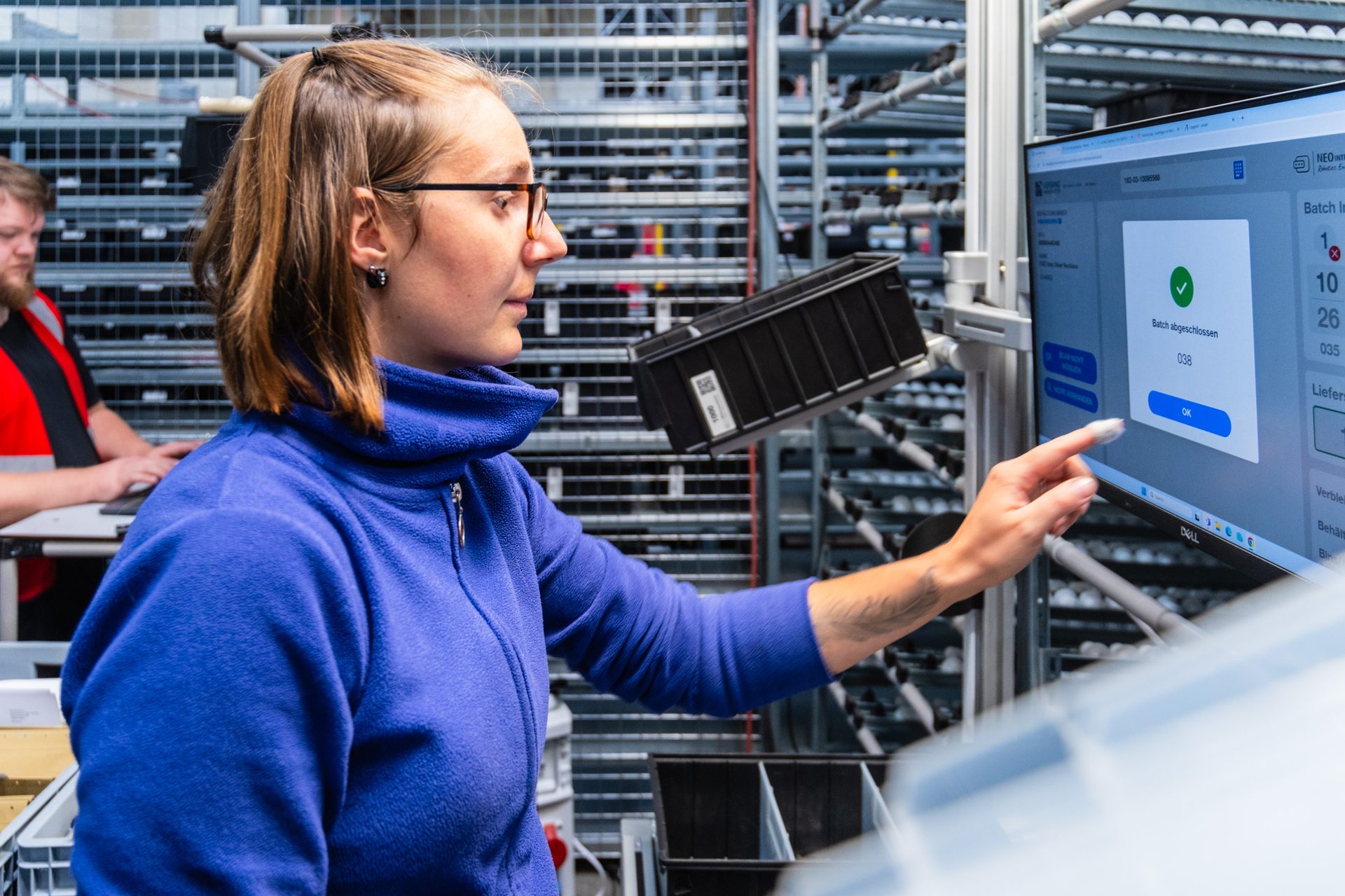
With NEO, Conrad Electronic made the transition from manual person-to-goods picking to a goods-to-person workflow - inside the existing shelf warehouse.
Conclusion
Conrad Electronic demonstrates that goods-to-person automation does not necessarily require a warehouse rebuild. With NEO, the concept can be implemented directly in existing shelf racking - without investment, in a matter of weeks, and without operational interruption.
As one of Europe’s leading electronics retailers, Conrad serves as an enterprise reference proving that AMR-based automation works in large, complex warehouse operations.
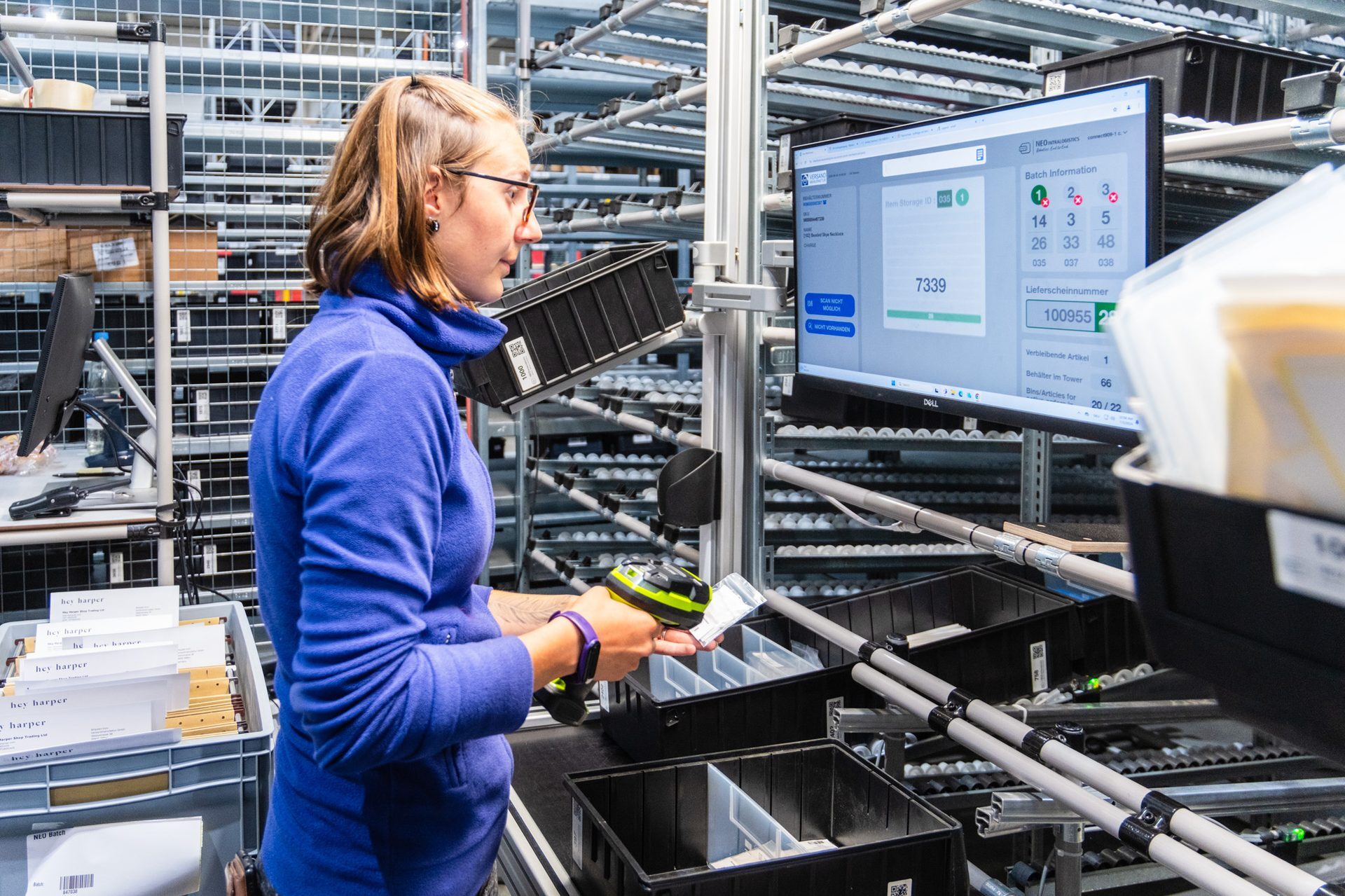
NEO:os Dashboard
Operator at the scanning dashboard during picking
NEO:pickstation
Picking station in the Conrad warehouse
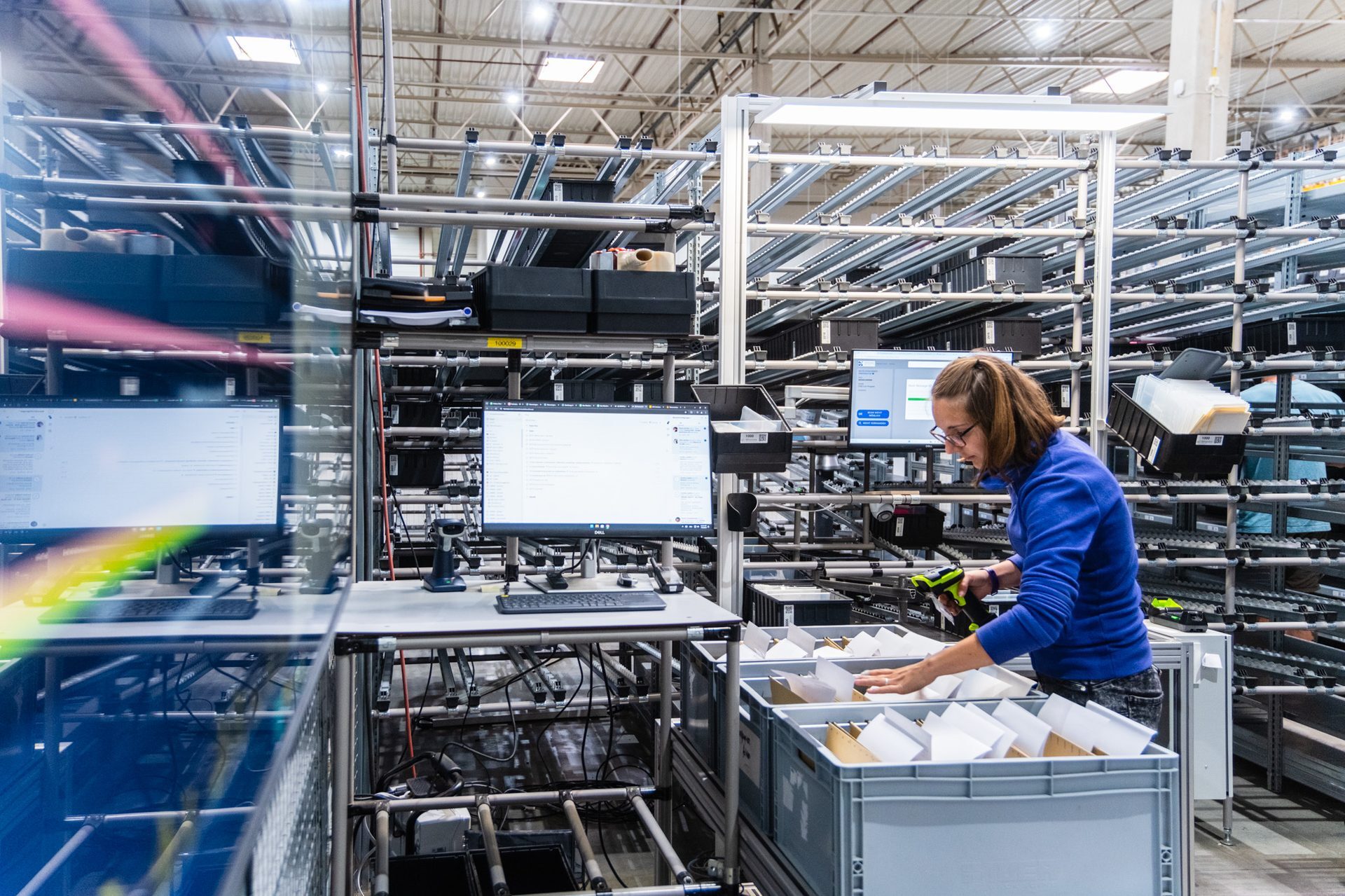
Picking
Dynamic goods-to-person picking
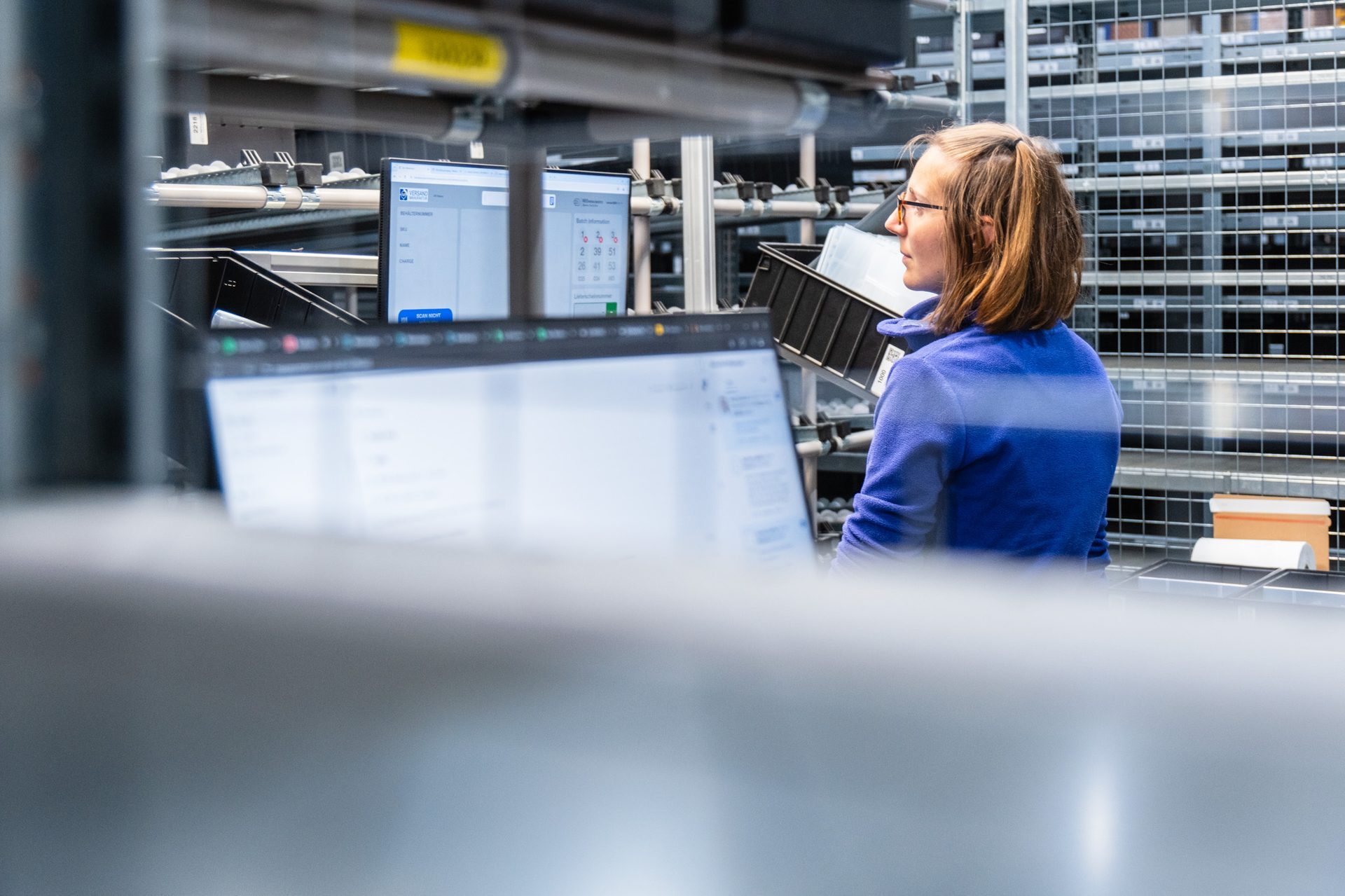
Bin Handling
Operator with bin at the picking station